What to Expect From Your Composite Bonding Treatment at Beresford Dental Clinic
If you’re considering composite bonding to improve your smile, you may be wondering what actually happens during the treatment. Will it hurt? How long will it take? Will your teeth look natural? And what do you need to do afterwards?
At Beresford Dental Clinic in Victoria, London, composite bonding is a popular minimally invasive cosmetic dental treatment for improving the shape, appearance and symmetry of teeth. It can be used to repair chipped or cracked teeth, close small gaps, improve tooth shape and address certain areas of discolouration.
Here’s what you can expect from your composite bonding journey at Beresford.
What Is Composite Bonding?
Composite bonding, sometimes called dental bonding, involves applying a tooth-coloured composite resin to the surface of a tooth. Your dentist carefully shapes and moulds the material to improve the appearance of your smile before hardening and polishing it to create a natural-looking finish.
One of the main advantages of composite bonding is that it is minimally invasive. At Beresford, the treatment generally does not require drilling or anaesthetic, making it a popular option for patients looking for a smile enhancement without extensive preparation of their natural teeth.
Composite bonding can be used to improve:
- Chipped teeth
- Cracked teeth
- Small gaps between teeth
- Misshapen or uneven teeth
- Worn or shortened teeth
- Certain areas of discolouration
- Tooth shape and symmetry
It can be used on a single tooth or several teeth as part of a wider smile transformation.
Step 1: Your Composite Bonding Consultation
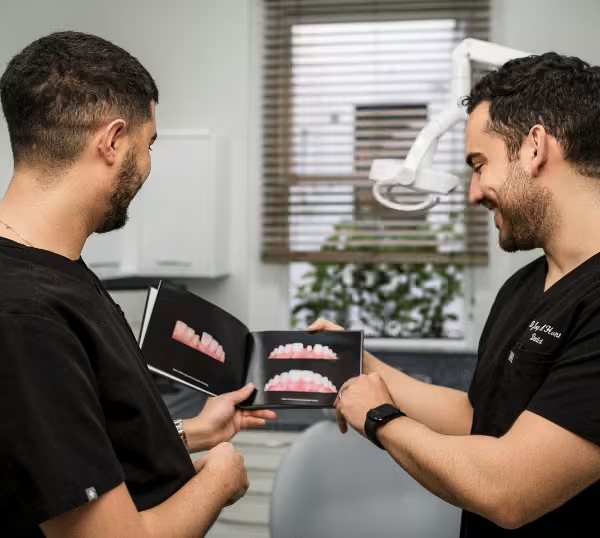
Your treatment journey begins with a consultation.
This is an important stage because composite bonding isn’t simply about applying resin to your teeth. Your dentist needs to understand what you want to change and what type of result you are hoping to achieve.
During your consultation, your dentist can assess:
- The condition of your teeth
- Your bite
- Your gum health
- The shape and proportions of your smile
- Any existing fillings or dental work
- Your desired outcome
- Whether composite bonding is the most appropriate treatment for you
Your dentist will also explain what can realistically be achieved with composite bonding and whether another treatment, such as Invisalign®, veneers or a combination of treatments, may be more appropriate.
For example, composite bonding can sometimes make small gaps or minor irregularities appear less noticeable, but it isn’t a replacement for orthodontic treatment when there is moderate or significant tooth misalignment.
Step 2: Preparing Your Teeth
Before your bonding treatment begins, your teeth need to be healthy and clean.
Any underlying dental problems, such as decay or significant plaque build-up, may need to be addressed before cosmetic treatment takes place.
Your dentist will also consider the colour of your teeth when planning your treatment.
Thinking About Teeth Whitening?
If you are considering both teeth whitening and composite bonding, it is generally recommended that you whiten before your bonding treatment.
This is because composite bonding material does not whiten in the same way as natural tooth enamel. Choosing your desired tooth shade before the bonding is placed can therefore help create a more consistent result.
Step 3: Shade Selection
Your dentist will select a composite resin shade that works with your smile and the result you are hoping to achieve.
The aim isn’t simply to create extremely white teeth. A well-designed smile should complement your facial features and look natural.
At Beresford, the focus is on creating results that enhance your smile while maintaining a natural appearance.
Step 4: Applying and Sculpting the Composite
Once your teeth are prepared, your dentist applies the composite resin to the areas being treated.
This is where the artistic and technical skill of your dentist becomes particularly important.
The composite is carefully shaped and moulded to create the desired:
- Tooth length
- Tooth width
- Shape
- Contour
- Symmetry
- Smile line
Your dentist can make adjustments during the process to ensure the result is balanced with the rest of your smile.
The composite is then hardened into place using a curing light before being shaped and polished.
Beresford states that the treatment can take as little as an hour, depending on the number of teeth and complexity of the treatment. A full smile makeover may take longer; the clinic’s existing guidance notes that a full smile makeover can take up to around three hours.
Does Composite Bonding Hurt?
One of the questions patients ask most frequently is whether composite bonding is painful.
For many patients, composite bonding is a comfortable procedure because it is minimally invasive and typically doesn’t require drilling or anaesthetic.
However, every patient is different. Your dentist will discuss your individual circumstances with you and make sure you are comfortable throughout the treatment.
If you have dental anxiety or concerns about treatment, let your dental team know before your appointment.
Step 5: Checking Your New Smile
Once the composite has been shaped and hardened, your dentist will carefully assess the result.
This includes looking at the teeth from different angles and checking the overall balance and appearance of your smile.
The final stage involves polishing the composite to create a smooth, natural-looking finish.
The goal is for the bonded teeth to look like a natural part of your smile rather than obviously appearing to have been treated.
How Long Does Composite Bonding Take?
Treatment time depends on how many teeth are being treated and the complexity of the case.
A small amount of bonding may be completed relatively quickly, while a larger smile transformation will naturally take longer.
Beresford’s composite bonding treatment page states that the procedure can take as little as one hour and can usually be completed in a single appointment.
Your dentist will be able to give you a more accurate estimate after assessing your smile.
What Does Composite Bonding Feel Like Afterwards?
You should be able to leave the clinic and continue with your normal day after treatment.
Your newly bonded teeth may initially feel slightly different because the shape and contours of the teeth have changed. This usually becomes less noticeable as you get used to your new smile.
If your bite feels uncomfortable or something doesn’t feel right after treatment, contact your dental team so they can assess and make any necessary adjustments.
How Do You Look After Composite Bonding?
Good oral hygiene is important for maintaining both your natural teeth and your composite bonding.
You should:
- Brush your teeth twice a day with fluoride toothpaste.
- Clean between your teeth regularly.
- Attend your recommended dental check-ups.
- Maintain regular hygiene appointments where appropriate.
- Avoid using your teeth to bite hard objects.
- Take care when biting particularly hard foods.
- Follow any personalised aftercare advice from your dentist.
Composite bonding can also be susceptible to staining over time, particularly with regular consumption of staining foods and drinks and smoking.
Your dentist or hygienist can advise you on the best way to maintain your bonded teeth.
Beresford also offers maintenance appointments for patients with existing composite bonding.
How Long Does Composite Bonding Last?
Composite bonding isn’t permanent and its lifespan varies between patients.
Beresford currently states that composite bonding can last approximately 3–10 years, depending on factors including how well you look after your teeth.
Your individual result can also depend on factors such as:
- Your bite
- Your oral hygiene
- Your diet
- Whether you grind or clench your teeth
- The number of teeth treated
- The location of the bonding
- Your lifestyle habits
With appropriate care and regular dental maintenance, you can help maximise the lifespan of your bonding.
Can Composite Bonding Be Repaired?
One advantage of composite bonding is that it can often be repaired if a small area becomes chipped or damaged.
However, if you notice a chip, crack or change in your bonded teeth, contact your dentist rather than attempting to repair the problem yourself.
Your dentist can assess the bonding and determine whether it needs polishing, repairing or replacing.
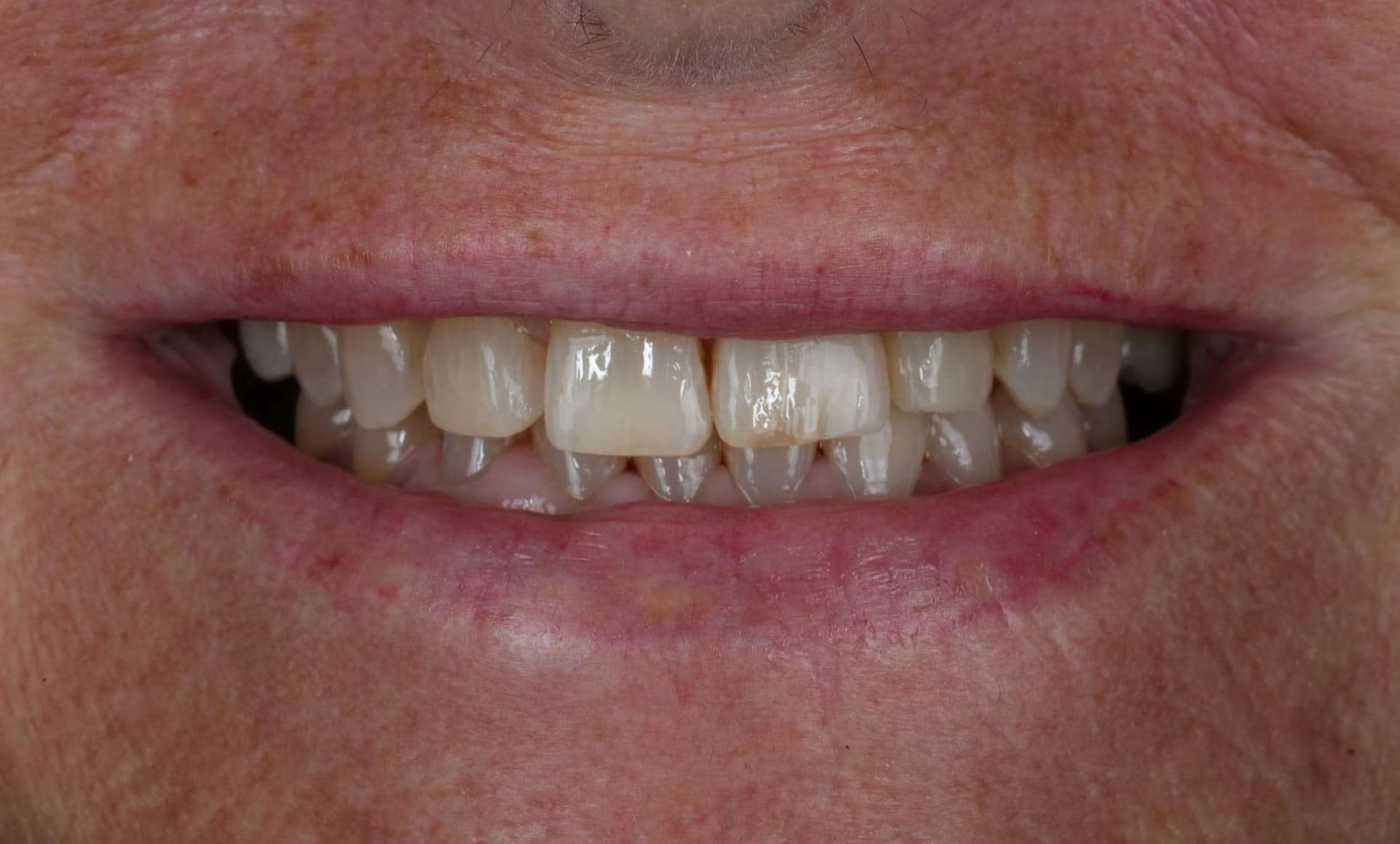
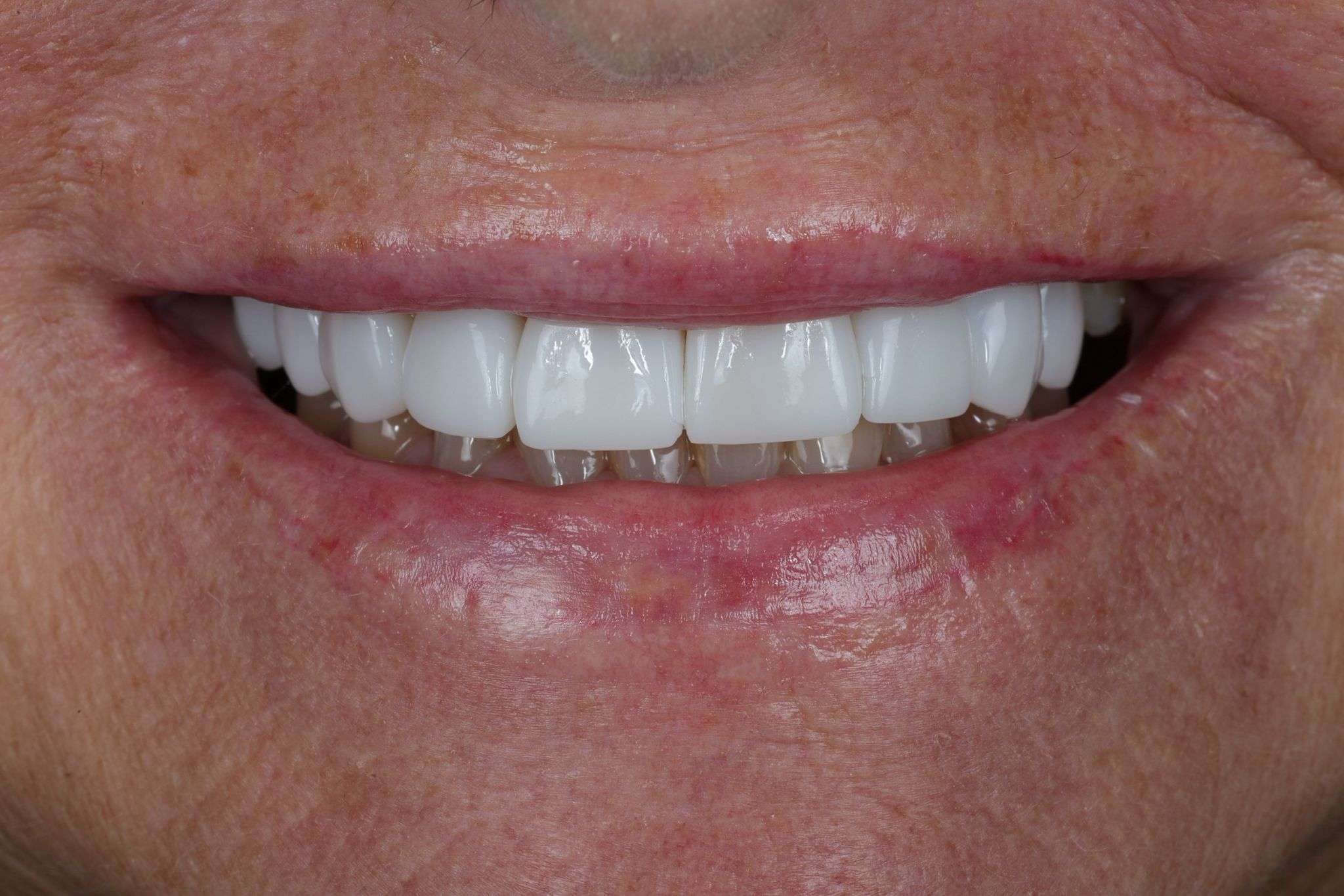
Composite Bonding Before & After: What Results Can You Expect?
The result you can achieve depends on your individual teeth, facial proportions, bite and treatment goals.
Composite bonding can be used to make subtle improvements or form part of a more comprehensive smile transformation.
At Beresford Dental Clinic, the treatment is used to address a range of cosmetic concerns, including chips, gaps, cracks, staining and uneven tooth shapes. The clinic also has a dedicated composite bonding gallery showcasing treatment cases.
Rather than aiming for an identical smile to someone else’s, your dentist will work with you to create a result that suits your individual smile.
Composite Bonding, Veneers or Invisalign® – Which Is Right for You?
Composite bonding isn’t the right treatment for everyone.
Depending on your concerns, your dentist may recommend:
Composite bonding – for reshaping, repairing or enhancing teeth with minimal intervention.
Veneers – for patients looking for a different type of cosmetic transformation involving thin coverings placed over the front surfaces of teeth.
Invisalign® or orthodontic treatment – where tooth positioning or more significant alignment issues need to be addressed.
In some cases, treatments can also be combined. Beresford notes that composite bonding can be used alongside treatments such as Invisalign® and teeth whitening as part of a wider smile makeover.
The best way to determine which option is appropriate is to have your smile assessed by a qualified dental professional.
Why Choose Beresford Dental Clinic for Composite Bonding?
Beresford Dental Clinic is based in Victoria, London, and has a dedicated focus on cosmetic and restorative dentistry.
The clinic’s cosmetic dentistry team includes dentists with experience in treatments such as composite bonding, veneers and Invisalign®. Dr Jorge Hontoria, for example, specialises in composite bonding, ceramic veneers and Invisalign® and has completed advanced restorative and aesthetic training.
The clinic also has an extensive collection of composite bonding cases and patient feedback relating specifically to the treatment.
Frequently Asked Questions About Composite Bonding
Is composite bonding worth it?
Composite bonding can be an effective option for patients looking to improve the appearance of chipped, cracked, gappy, misshapen or discoloured teeth without extensive treatment. Whether it is suitable for you depends on your dental health, bite and cosmetic goals.
How many teeth can be treated with composite bonding?
Composite bonding can be used on one tooth or multiple teeth. The appropriate number depends on your individual smile and treatment goals.
Can composite bonding close gaps?
Yes. Composite bonding can be used to close or reduce the appearance of certain small gaps between teeth. Larger or more complex spacing issues may require orthodontic treatment.
Can composite bonding make crooked teeth look straighter?
Composite bonding can sometimes improve the appearance of mildly irregular teeth or create the appearance of a straighter smile. It cannot correct moderate or significant tooth misalignment in the same way as orthodontic treatment.
Can I whiten composite bonding?
No. Composite bonding does not whiten in the same way as natural teeth. If you are considering whitening, it is generally recommended to do this before your bonding treatment so your dentist can match the composite to your chosen shade.
How quickly can I see the results?
One of the attractions of composite bonding is that treatment can often be completed in a single appointment, although the exact treatment time depends on the number of teeth and complexity of your case.
Ready to Transform Your Smile?
Composite bonding can be a simple and minimally invasive way to enhance the appearance of your teeth, whether you want to repair a chipped tooth, close a small gap, improve tooth shape or create a more comprehensive smile transformation.
At Beresford Dental Clinic in Victoria, London, your treatment begins with a consultation where your dentist can understand your goals, assess your smile and discuss whether composite bonding is right for you.
Book a consultation with Beresford Dental Clinic and take the first step towards your new smile.